Tel: +86-21-60530355
Mobile: +8615214379688
E-mail: sales@beallindustry.com
Address: No.1088 XinJinQiao Road, PuDong, Shanghai, China


The Best Stainless Steel Sheet Manufacture
Beall Industry Group Co., Limited is the leading manufacturer and supplier of stainless steel, duplex stainless and super nickle alloy materials with more than 25 years experience of supplying to a great variety of end users from different fields. Beall Industry Group, establlished in 1992, now covers a total landing area 520,000 square meters and nearly 500 employees.
Quality control
In the processing of production, our professional technical engineers inspect the processing to ensure the quality of products,After our machine finish , our engineer will make 24 hours test constantly and ensure the machine reach to the best performance.
One-stop Solution
With rich experience and one-to-one service,we can help you choose products and answer technical questions.
Make it personal
When you work with us, you can count on personalized, one-on-one service every step of the way.
World-wide expertise
We know international markets and trends. Our expertise, experience and network cover all corners of the world.
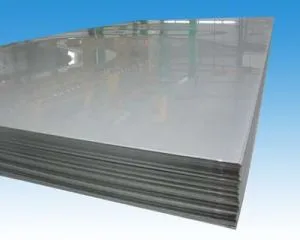
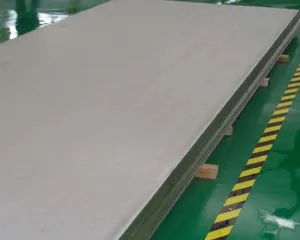
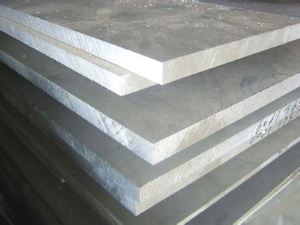
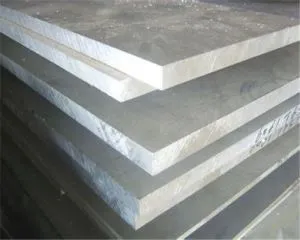
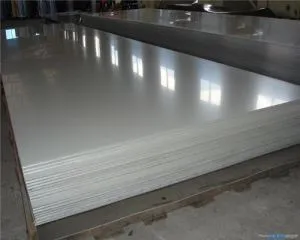
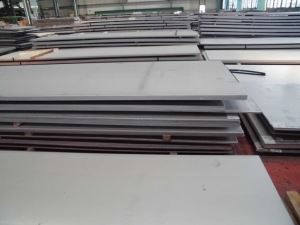
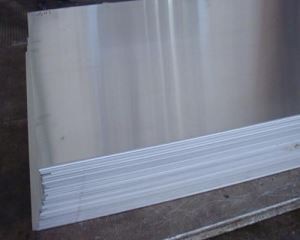
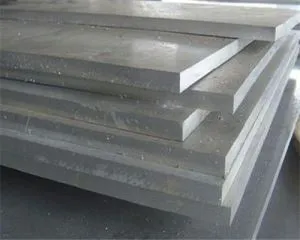
What is Stainless Steel Sheet
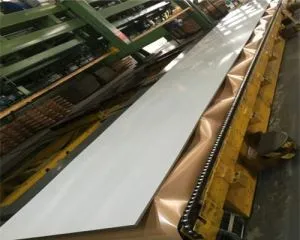
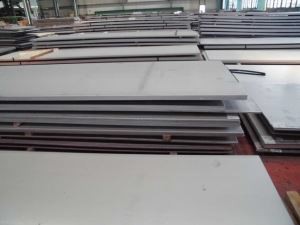
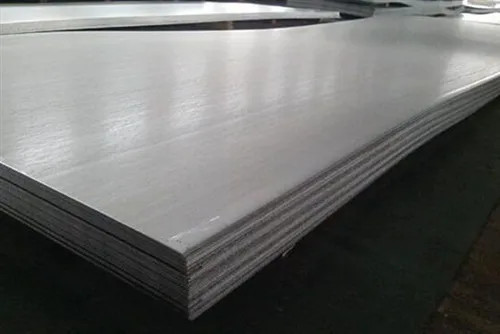
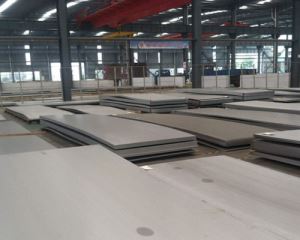
Stainless steel is a widely used metal alloy with unique properties that make it popular among various industries. One of its common forms is stainless steel sheet, which is utilized across many applications, from household items to heavy-duty machinery.
The stainless steel is non-reactive and thus is a good choice for cooking acidic foods. Foods that are too acidic can damage metal surfaces when cooked with reactive metals. There are different grades of stainless steel. Different countries have different systems. The foodservice industry uses SAE grades and flatware grades. The lowest grade is 201 and is the most expensive. The next lowest grade is 304.
If you’re working with a thin or small piece of stainless steel sheet, bending it is quite easy. However, some types of shapes are difficult to bend with standard bending tools. In these cases, a metal-bladed jigsaw or a RotoZip saw will be sufficient. You’ll have to measure the twist of the blade in order to achieve a consistent bend.
Stainless steel is a solid material. It can contain various alloys that include chrome, nickel, and other materials. Some types are non-magnetic, while others contain both chromium and iron. These alloys interact with each other in a special way, making them non-magnetic. Some stainless steel plates are magnetic, while others are not. The reason for this is because the magnetism of stainless steel is counteracted by the ferromagnetic property of nickel and iron.
Stainless steel sheet is a good choice for high-temperature applications, especially those that require a high level of corrosion resistance. This material resists oxidation and scaling at temperatures of up to 2,000 degF (1100 degC).its low level of silicon makes it susceptible to intergranular corrosion at high temperatures.
Stainless steel is an excellent choice for applications that require corrosion resistance. Its chemical composition is rich in chromium and consists of at least 10.5% of the element. The different grades of stainless steel are also distinguished by their different combinations of properties. Each grade has a different corrosion resistance level.
|
Thickness (inches) |
Width (inches) |
Length (inches) |
|
0.024 |
24 |
36 |
|
0.024 |
24 |
48 |
|
0.024 |
36 |
36 |
|
0.024 |
36 |
48 |
|
0.024 |
48 |
48 |
|
0.036 |
24 |
36 |
|
0.036 |
24 |
48 |
|
0.036 |
36 |
36 |
|
0.036 |
36 |
48 |
|
0.036 |
48 |
48 |
|
0.048 |
24 |
36 |
|
0.048 |
24 |
48 |
|
0.048 |
36 |
36 |
|
0.048 |
36 |
48 |
|
0.048 |
48 |
48 |
|
0.060 |
24 |
36 |
|
0.060 |
24 |
48 |
|
0.060 |
36 |
36 |
|
0.060 |
36 |
48 |
|
0.060 |
48 |
48 |
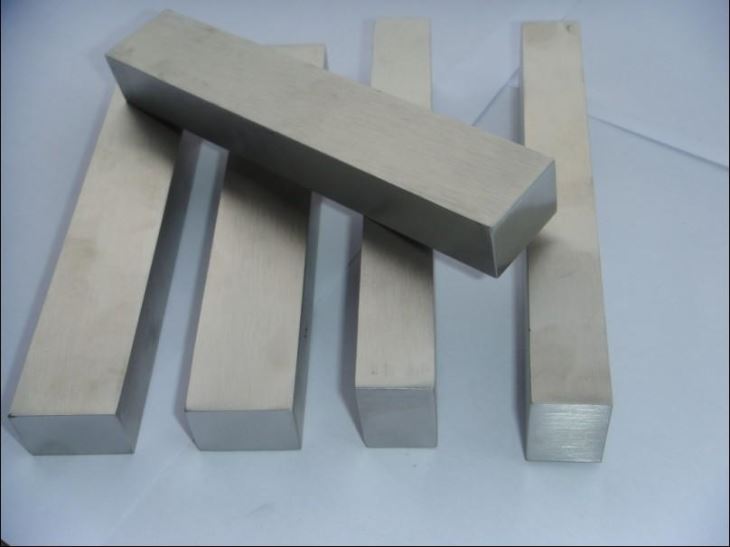
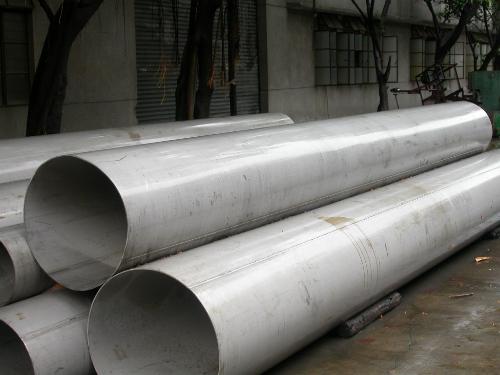
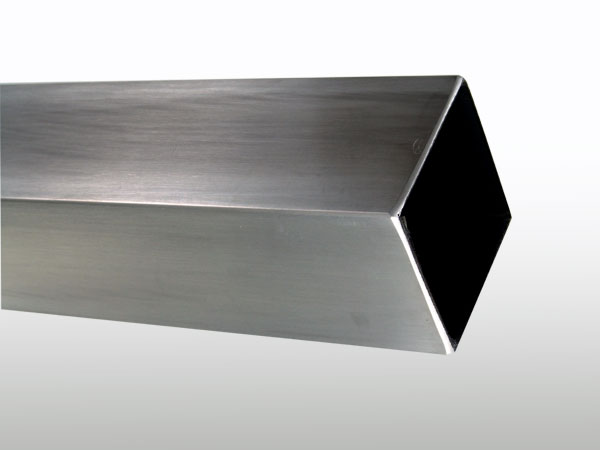
Kitchen Splashbacks: Stainless steel sheet metal is a popular choice for kitchen splashbacks. It provides a sleek and modern appearance while offering excellent resistance to heat, moisture, and stains. Its durability and easy-to-clean surface make it ideal for protecting kitchen walls from spills and splashes.
Table Tops: Stainless steel sheet metal is used for table tops in various settings, including restaurants, commercial kitchens, and outdoor dining areas. It offers a durable and hygienic surface that can withstand heavy use, is easy to clean, and provides an attractive, contemporary look.
Brewery Equipment: In the brewing industry, stainless steel sheet metal is widely used to manufacture brewery equipment such as fermenters, kettles, and storage tanks. Stainless steel's corrosion resistance is crucial for maintaining the purity of the brewing process and ensuring the longevity of equipment.
Signage: Stainless steel sheet metal is employed for creating durable and weather-resistant signs in various applications. It is a favored material for traffic signs, outdoor advertising billboards, business signage, and custom signage due to its resistance to corrosion and longevity.
Dairy and Water Equipment: Stainless steel sheet metal is commonly used in the dairy and water treatment industries for equipment such as tanks, processing machinery, and pipelines. Its corrosion resistance and hygienic properties ensure the safety and quality of dairy products and potable water.
Protective Coverings: Stainless steel sheet metal is used to create protective coverings for equipment, machinery, and structures in various industries. These protective covers shield against environmental factors, impact, and wear, extending the lifespan of the underlying components.
Building Cladding: Stainless steel sheet metal is employed in building cladding to create sleek and modern exterior facades. Its corrosion resistance and aesthetic appeal make it suitable for enhancing the architectural appearance of commercial and residential structures.
Medical Equipment: Stainless steel sheet metal is utilized in the medical equipment industry for the fabrication of surgical instruments, medical devices, and equipment. It offers biocompatibility, ease of sterilization, and resistance to corrosion, ensuring the safety and hygiene of medical tools.
Transportation Interiors: Stainless steel sheet metal is used for interior components in various modes of transportation, including trains, buses, and ships. Its durability and resistance to wear and tear are essential for maintaining the quality and longevity of transportation interiors.
Chemical Processing Equipment: In the chemical industry, stainless steel sheet metal is employed for equipment such as storage tanks, reactors, and processing machinery. Its resistance to corrosive chemicals and high temperatures is crucial for safe and efficient chemical processing.
Pharmaceutical Industry: Stainless steel sheet metal is used in the pharmaceutical industry for the manufacture of equipment and devices that require precision, cleanliness, and corrosion resistance. It ensures the integrity and safety of pharmaceutical products.
Ease of fabrication
The reason why most DIY metal fabrication projects use stainless steel is that it is fairly easy to work with. It can be welded into the desired shape. When you need a piece of stainless steel, you can easily get it with the help of the right metal fabricator and fabrication technique.
Recyclable
If you are someone who is highly concerned about the environment then we have good news for you. Stainless steel is one of the most recyclable materials on the planet. Almost 88% of the steel in the world is recycled.if you want to try your hands on a DIY project you don’t have to worry about damaging the environment.
You can wear it
Yes, you read it right! Due to its quality of being incredibly ductile, stainless steel can be drawn into thin wires and worn. Stainless steel is fine enough that you can wear it. Stainless steel clothing is mainly used in electrical and textile industries.stainless steel can also be weaved into carpets. This can also be used in work placed where you want to prevent static electric shocks.
Magnetic properties
In most cases, stainless steel is non-magnetic but there are some types in stainless steel that have magnetic properties. Stainless steel has four main types and each type of metal has different properties.
Step 1: Melting the Raw Materials
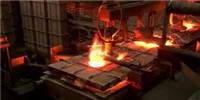
The first step in making stainless steel sheets is melting the raw materials. Stainless steel is an alloy that is made up of iron, chromium, and other elements. The raw materials for stainless steel sheets are typically sourced from iron ore and recycled stainless steel scrap.
The melting process typically takes place in an electric arc furnace (EAF), which uses high-voltage electric arcs to melt the raw materials. The EAF is lined with refractory bricks that help to contain the heat and protect the furnace walls. The raw materials are placed in the EAF and heated to a temperature of around 2,800 degrees Fahrenheit (1,538 degrees Celsius).
As the materials melt, they form a molten pool of steel that is then poured into a ladle. The molten steel is then transferred to a continuous casting machine, where it is poured into a mold to create a semi-finished product called a slab.
Step 2: Hot Rolling
The slab is then transferred to a hot rolling mill, where it is heated to a temperature of around 1,700 degrees Fahrenheit (926 degrees Celsius). The hot rolling process involves passing the slab through a series of rollers that compress and shape the steel into a thin sheet.
The hot rolling process has several benefits, including improving the steel’s ductility and reducing its thickness. The hot-rolled steel is then cooled and transferred to the pickling line, where it is cleaned and treated with acid to remove any impurities or scale that may have formed during the hot rolling process.
Step 3: Cold Rolling
After the steel has been pickled, it is then subjected to the cold rolling process. Cold rolling involves passing the steel through a series of rollers at room temperature, which further reduces the thickness of the steel and improves its surface finish.
The cold rolling process is typically used to produce steel sheets with a thickness of less than 0.2 inches (5 millimeters). The cold-rolled steel is then annealed, which involves heating the steel to a high temperature and then cooling it slowly to improve its formability and ductility.
Step 4: Finishing
After the steel has been cold rolled and annealed, it is then subjected to a finishing process to improve its surface finish and prepare it for use. Some of the most common finishing techniques include:
Polishing: This involves buffing the surface of the steel to create a smooth, shiny finish.
Galvanizing: This involves coating the steel with a layer of zinc to improve its corrosion resistance.
Painting: This involves applying a layer of paint to the steel to give it a desired color or finish.
Etching: This involves using acid or other chemicals to create a decorative pattern or design on the surface of the steel.
Beall Industry Group, who is famous for the material smelting and processing services in China stainless steel industry now have 3 plants locate in Jiangsu Province and Zhejiang Province, one domestic sales center in Jiangsu and one international sales office in Shanghai.