Tel: +86-21-60530355
Mobile: +8615214379688
E-mail: sales@beallindustry.com
Address: No.1088 XinJinQiao Road, PuDong, Shanghai, China


Company Profile
Beall Industry Group Co.,Limited is the leading manufacturer and supplier of stainless steel, duplex stainless and super nickle alloy materials with more than 25 years experience of supplying to a great variety of end users from different fields. Beall Industry Group, establlished in 1992, now covers a total landing area 520,000 square meters and nearly 500 employees.
Rich experience
We are the leading manufacturer and supplier of stainless steel and super nickle alloy materials with more than 25 years experience of supplying to a great variety of end users from different fields.
Advanced equipment
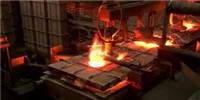
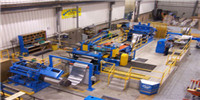
Now the production plants of company covers 4 production lines of smelting, with well equiped processing platforms including shearing, cutting, surface finishing, forming, welding and maching.
Good service
With close collaboration between our experienced production, processing and professional international sales team, company promises customers reliable quality, on time delivery, professional service before and after sales.
Competitive price
Company does its best to help customers save cost, enhance competitiveness, make profit.
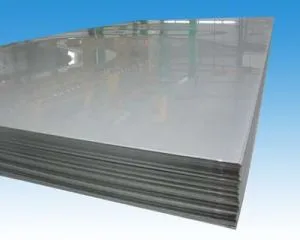
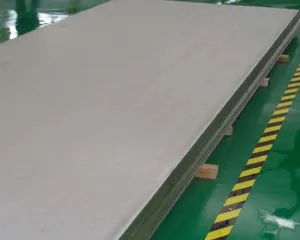
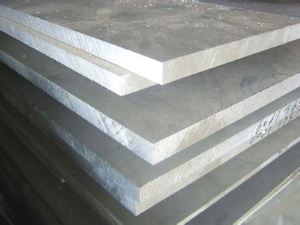
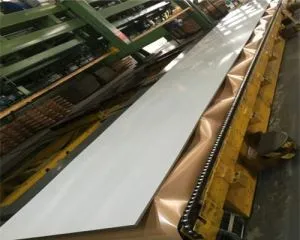
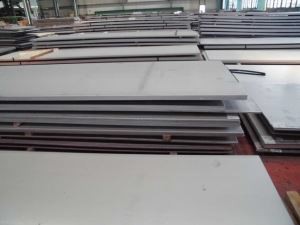
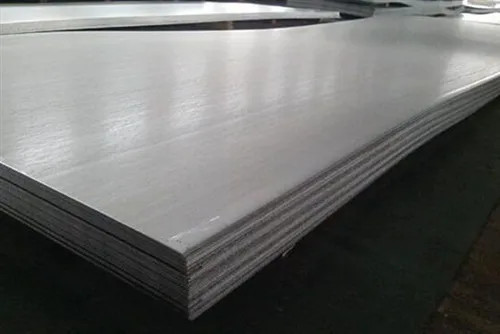
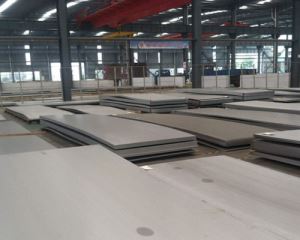
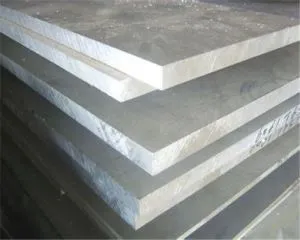
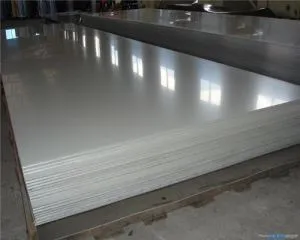
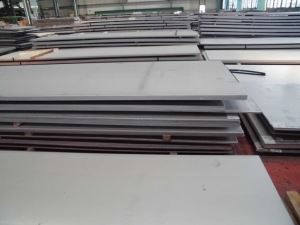
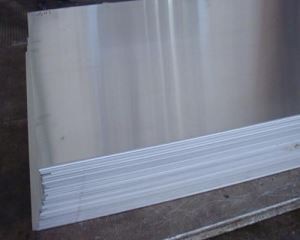
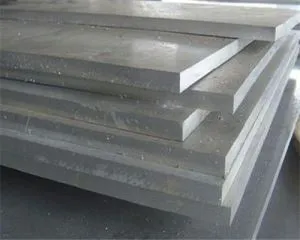
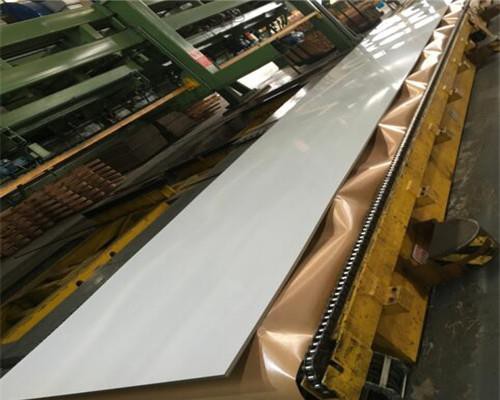
The difference between a metal sheet and metal plate can be defined by thickness. If the thickness of the metal is ¼” (6mm) or more, then it is considered a plate. Plate thickness is typically measured in inches. If the thickness is less than ¼” (6mm), it is considered sheet. Sheet is typically measured in gauges. It is not uncommon however to see both metal sheet and plate additionally measured in mm.
Strength and durability
Sheet metal is strong and durable, and sheet metal parts are often able to withstand greater pressure and heat than those made with plastic. In addition to this, aluminum, stainless steel, or surface-treated steel are all resistant to pressure, corrosion, and wear and tear. While a method like casting will share these benefits, plastic will not hold up as well with the passage of time.
Malleability
In addition to being durable, sheet metal is also malleable. With the right equipment, it can be bent into numerous shapes, while still retaining its strength and structural integrity. Sheet metal also has the ability to be compressed or stretched without breaking or cracking. When a part is cast or molded, you get a very specific shape, but you also had to pay for a very specific, and usually expensive, mold. If you decide to change your part at all, it can be very expensive to invest in a new mold, and tooling for plastic can be very expensive as well. With sheet metal, it’s as simple as bending the part in a different place to create a new and unique shape. The malleability of sheet metal allows it to be effectively and efficiently used in custom, complex, or highly specialized applications.
Replaceability
One of the biggest advantages of using sheet metal is that the parts are replaceable. If several metal parts are used to make an assembly, instead of making the whole part out of one substance, the individual components can be removed and replaced without having to replace the entire assembly. This can save money on repairs and even allow for modifications and upgrades.
Sustainability
As far as materials go, metal is by far one of the most sustainable materials. Metal is a natural resource that is both environmentally and economically strategic. When the parts are no longer needed, they can be recycled indefinitely and turned into other parts. Plastic has a limited ability to be recycled and cannot be easily and safely disposed once it reaches its end point. Metal manufacturing is a much more responsible and sustainable option.
Cost-Effectiveness
Tooling costs for plastics can be very expensive, making sheet metal a more economical choice. Many companies move from cast or molded parts to sheet metal because of the overall reduction in costs and material waste. Material lifespan and longevity must also be considered when evaluating the cost of material. The cheapest material is not necessarily the most cost-efficient option if it will not serve you well for a long period of time and has to be consistently replaced or maintained. The strength and durability features of sheet metal make it a more cost-effective option.
The most popular material for sheet metal fabrication is stainless steel, which contains alloy components and at least 10.5% chromium, making this material corrosion-resistant, shiny, and durable. Stainless steel sheet metal has three common grades, and they are:
Austenitic stainless steel. This widely used grade is non-magnetic and labeled as 300 series stainless steel. It is known for its formability and resistance to corrosion because of its low carbon components and high levels of nickel and chromium elements.
Ferritic stainless steel. This metal grade is magnetic, non-heat-treatable, and labeled as 400 series stainless steel. It contains little to no amount of nickel and 11-30% chromium. It is commonly used for non-structural applications that require good corrosion resistance, like decorative or aesthetic applications.
Martensitic stainless steel. This grade offers both corrosion resistance and heat treatability. Martensitic contains no nickel and features a wide range of hardness and strength levels.
Stainless steel sheet metal is widely used in many industries due to its strength, durability, and high corrosion resistance characteristics. In addition, it can withstand extreme temperatures. Finally, stainless steel is 100% recyclable and can help promote a sustainable and eco-friendly business practice.
This sheet metal type, also known as CRS or cold rolled steel, is essentially hot rolled steel that has been further processed to achieve an exceptionally smooth finish. The cold rolling process allows the steel to cool down at room temperature and undergo annealing or temper rolling. The process produces steel with closer dimensional tolerances. It offers a broader range of surface finishes and is up to 20% stronger than hot-rolled steel.
Cold-rolled steel comes in two most common CRS alloys: 1008 alloys with weldable features and 1018 alloys or carbon steel alloys that can easily be machined.
Cold rolled steel offers a more aesthetic and visually appealing surface and is used in applications with high tolerances and concentricity requirements. Typical applications of CRS include:
Aerospace structural components Automotive parts Metal furniture Home appliances
Galvanized steel is another type of sheet metal that offers increased strength, enhanced durability, and formability, making it a popular material choice for various metal fabrication applications. The galvanization process applies a protective zinc coating to steel to prevent rust and corrosion and ensure a high-quality, long-lasting steel product.
Galvanized steel is commonly utilized in auto parts and water-exposed goods, including greenhouse equipment, buckets, irrigation pipe, and boats. Furthermore, galvanized steel offers many benefits, including longevity, time and cost efficiency, ease of maintenance, and aesthetic appeal.
Aluminum is a commonly utilized material in sheet metal fabrication. With nearly 1/3 of steel density, aluminum is ideal for applications requiring lighter parts or components. It exhibits suitable properties, including a corrosive-resistant ability even without a coating and tensile strength and flexibility, matching broad customizability for processes like laser cutting, welding, and machining.
Automobile parts
This is the most prominent and popular use for sheet metal. With such a massive industry, it is no wonder that a lot of the parts have these materials. In fact, the auto industry is one of the top users of sheet metal. The reason is simple: Sheet metal is incredibly versatile and durable. It can be bent, shaped, welded, formed, and more, and that is just the tip of the iceberg. Whether it is being used to create doors, hoods, roofs, etc., sheet metal is always the material of choice.
Construction
Construction is another area where sheet metal is used. Sheet metal can be used to build or support homes, buildings, and even other structures. You can use sheet metal to cover up homes or any other building to guard against the elements.
Electrical
The best part about sheet metal is that you can do just about anything with it! And that includes using it to create various parts and tools for electronics.
There are many ways you can do this. You can create casings, shielding, and more to actually build, operate, and protect all kinds of electronics.
Automation
Another great use of sheet metal is automation. So many machines and tools need very specific and durable parts to do their jobs. Sheet metal is always the best choice and can be used to create the best parts and components.
Jewelry
Even jewellery can be created with sheet metal. There are all kinds of ways that it can be used to create beautiful, durable pieces that are used in all kinds of jewellery.
Shelters
Sheet metal can be used to create shelters for all kinds of different things. Whether it is for people or animals, you can use sheet metal to create a variety of different kinds of shelters.
Facades
Facades are another popular application of sheet metal. Whether you are looking to create a new storefront, window, or wall, you can use sheet metal to create the perfect look. As mentioned, you can customize everything and make the sheet metal look just the way you want.
Plumbing systems
At the turn of the 21st century, sheet metal became popular for plumbing systems because of its versatility. Galvanized metal piping made of sheet metal will last longer than lead and iron pipes.
Arts and decoration
Sheet metal has many recreational and artistic uses, and many artists and architects take advantage of that fact. For instance, playground equipment like swings, slides, and see-saws contain sheet metal. Artists can make sculptures, decorations, and other artistic pieces with sheet metal. Consumers are even using sheet metal in their homes! Many people like metal bookcases more than wood for their striking presence.
How to Maintain Sheet Plate
Inspect your sheet metal regularly.
Check for signs of corrosion, such as rust or pitting, and inspect for dents or other damage. If you notice any damage, take steps to repair it right away. When metal elements are damaged, they become more vulnerable to corrosion. The sooner you make repairs, the better.
Keep your sheet metal clean.
Dirt, debris, and pollutants can lead to corrosion and other damage to metal surfaces. To help prevent this, regularly clean your sheet metal features. Although you can use mild soap and water, you may need to use a pressure washer to remove stubborn dirt and grime.
Remove rust as soon as possible.
Ferrous metals, which are metals that contain iron, are prone to developing rust over time. Rust occurs when the iron in the metal reacts with oxygen and water, and this reaction causes the iron to oxidize or rust.
Rust can cause extensive damage to sheet metal, so it's important to remove it as soon as possible. If you leave it be, the rust will continue to form and affect a greater area, eventually causing the metal to disintegrate. Rust can be scraped off using warm water and soap, but you'll also need to add a protective coating to ensure it doesn't form again.
Prevent corrosion with protective coatings.
There are a variety of coatings available that can help to prevent corrosion. For example, zinc coatings are often used on steel elements to prevent rust since zinc is more reactive than iron and will corrode before the steel does. You can also apply a powder coating. This type of coating is applied as a dry powder and then cured under heat, creating a hard finish that's resistant to corrosion and other damage.
The two most common ways of producing sheet metal are hot-rolling and cold-rolling. For sheet metal being used for construction purposes, plates that need to be thinner are often hot rolled to make things more efficient. It’s important to note that cold-rolling will create sheets up to 6 mm thick and are most often used for sheet metal intended for more precise applications.
There are also a variety of shaping and forming processes that sheet metal undergoes to reach the desired shape, size, or design. These include:
Bending: This is a process in which sheet metal is bent to form the desired shape through various bending methods such as air bending, edge bending, or v-bending that employs a punch and die mechanism to give the metal the desired shape and consistency.
Curling: To make some sheet metal safer for handling and installation purposes, sheet metal curling is employed. This is when a circular ring is created at the edge of the metal.
Hydroforming: One of the more innovative methods of sheet metal creation, hydroforming is when sheet metal is placed on a die and a high-pressure fluid is used to shape the metal, rather than the common die shaping process mentioned above. This helps sheet metal manufacturers create more complex parts more efficiently than with other methods. It’s also often used to create more unique shapes and ornamental designs.
Ironing: When your sheet metal needs to have varying thicknesses in different areas, the metal is ironed out to make it thinner and achieve the desired thickness by drawing the metal out.
Material tolerance is an intrinsic aspect of sheet metal parts, characterized by the built-in variances that occur due to factors like material properties and fabrication processes. These tolerances are particularly influenced by the thickness of the material, with each thickness category exhibiting distinct tolerance levels.
Material tolerance - thickness
Selecting the appropriate sheet thickness is a pivotal step in sheet metal fabrication. This choice influences a variety of factors including the part's overall strength, weight, and integral design features such as minimum bend radii, hole and slot sizes, and flange length. Ensuring uniform thickness throughout the sheet metal parts is essential to guarantee consistent quality and performance.
Guidelines for material thickness
A common trend in material tolerance is a lean towards negative tolerance. This indicates that the actual dimensions of the finished part may slightly undershoot the specified measurements in the design. It’s a critical aspect to consider in the design and fabrication processes to ensure the functional and structural integrity of the final product.
For a detailed and specific understanding, referring to a thickness tolerance chart is advisable. Such a chart provides comprehensive insights into the expected variances associated with different materials and thicknesses, serving as a valuable resource for designers and fabricators aiming for precision and quality in the finished products.
Material tolerance - properties
Depending on the material and the process used for sheet metal production, sheet metal material can also exhibit differences in physical properties such as surface tension, spring back, tensile strength, etc.
One of the aspects when selecting a material is to consider the amount of variability and safety factor the design allows. As an example, hot rolled carbon steels generally show more material variability than cold rolled varieties (though they are also more costly due to the secondary processing). For more precision bending, cold rolled steel would be the better selection to limit difference between material batches and improve bending consistency.
Beall Industry Group Co.,Limited is the leading manufacturer and supplier of stainless steel, duplex stainless and super nickle alloy materials with more than 25 years experience of supplying to a great variety of end users from different fields. Beall Industry Group, establlished in 1992, now covers a total landing area 520,000 square meters and nearly 500 employees.